
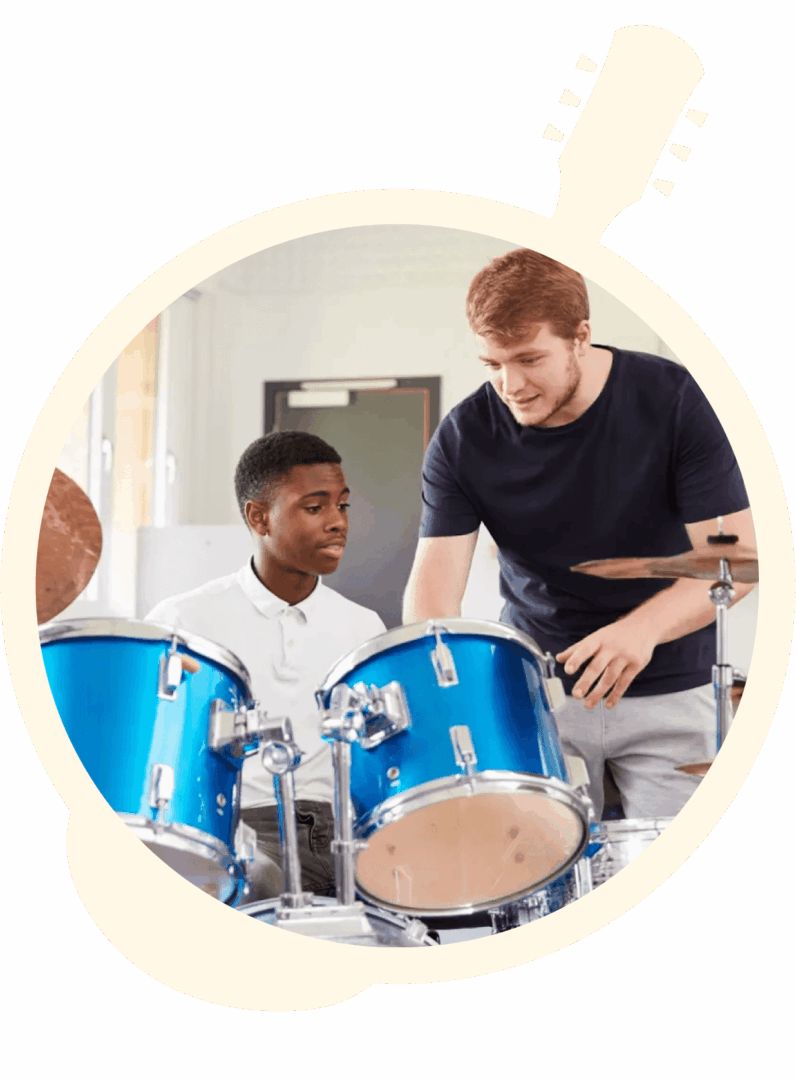
First Drum Kit Setup: A Beginner’s Guide in Seattle
Your First Drum Kit Setup: A Beginner’s Guide from a Seattle Pro
Hello, I’m Tim Cashman, and for nearly 40 years, I’ve had the joy of teaching music here in Seattle. From the moment a student first sits behind a drum kit, whether it’s a curious child or an adult rediscovering their passion, I see the excitement light up their eyes. Getting your first drum kit is a significant step on your musical journey, and setting it up correctly is crucial for comfort, sound, and developing good habits. As a multi-instrumentalist who’s spent decades behind the kit myself, I’m here to walk you through everything you need to know about your first drum kit setup, right here in West Seattle.
At B Sharp Studio, my philosophy is all about making music accessible and enjoyable. We focus on student-led goals, patience, and creating a low-pressure environment where creativity can flourish. Whether you’re interested in rock, jazz, or just want to keep a solid beat, understanding your instrument from the ground up is key. Let’s dive into how to set up drums so you can start making some noise!
Choosing Your Beginner Drum Kit: Acoustic vs. Electronic
Before we talk about assembly, let’s briefly touch on the two main types of drum kits you’ll encounter, especially as a beginner. Each has its pros and cons, and the best choice often depends on your living situation, budget, and musical goals.
Acoustic Drum Kits
An acoustic drum kit is what most people picture: a collection of drums and cymbals that produce sound through vibration. They offer an authentic feel and sound, are often more visually impressive, and can be a joy to play. However, they are loud, take up significant space, and can be more expensive, especially when considering soundproofing needs.
Electronic Drum Kits
Electronic drum kits, on the other hand, consist of pads that trigger digital sounds. They are fantastic for beginners, especially those living in apartments or shared spaces, because you can play them with headphones. They often come with built-in metronomes, recording capabilities, and a wide variety of sounds, making them incredibly versatile for practice. While the feel isn’t exactly like an acoustic kit, modern electronic kits have come a long way in replicating the bounce and response of real drum heads and cymbals.
For a beginner drum kit setup, I often recommend electronic kits for their versatility and volume control, especially for younger students or those with noise-sensitive neighbors. However, if you have the space and understanding neighbors, an acoustic kit offers an unparalleled tactile experience.
Drum Kit Essentials for Beginners: What’s in the Box?
No matter if you choose acoustic or electronic, a standard drum kit typically includes the following core components. Understanding these parts will make your setup much smoother.
- The Bass Drum (or Kick Drum): This is the largest drum, played with a foot pedal. It provides the low-end pulse of your rhythm.
- The Snare Drum: Usually positioned between your knees, the snare has wires (snares) stretched across its bottom head, giving it its characteristic crisp, buzzing sound. It’s the backbone of many beats.
- Tom-Toms: These are the melodic drums. Most beginner kits include one or two “rack toms” mounted on the bass drum or a stand, and a “floor tom” that stands on its own legs.
- Hi-Hat Cymbals: Two cymbals mounted on a stand, operated by a foot pedal and played with sticks. They produce a wide range of sounds, from a tight “chick” to a splashing “swish.”
- Crash Cymbal: A larger, thinner cymbal used for accents and punctuation.
- Ride Cymbal: A larger, thicker cymbal often used for continuous rhythmic patterns, producing a sustained, shimmering sound.
- Hardware: This refers to all the stands, mounts, and pedals that hold your drums and cymbals in place.
- Drum Throne: Your seat! A comfortable and stable throne is essential for proper posture and endurance.
- Drumsticks: Your primary tools for making sound. Beginners often start with a versatile 5A or 5B size.
Step-by-Step Guide: How to Set Up Drums for the First Time
Setting up your drum kit might seem daunting at first, but it’s a logical process. I always encourage my students to take their time and ensure everything feels right for their body. Remember, comfort is key to developing good technique and preventing strain.
1. Find Your Space and Position the Bass Drum
First, find a dedicated space for your kit. Ensure you have enough room to move around comfortably and that the floor is stable. Start by placing your bass drum. Position it so the pedal can be operated comfortably with your dominant foot.
2. Attach the Bass Drum Pedal
Connect the bass drum pedal to the hoop of the bass drum. Most pedals have a clamp that tightens onto the hoop. Make sure it’s secure and doesn’t slip. Adjust the beater length and angle to your preference – a good starting point is for the beater to hit the center of the drum head.
3. Set Up Your Drum Throne (Seat)
This is crucial! Sit down and adjust the height of your drum throne. Your thighs should be parallel to the floor, and your feet should be flat on the pedals with your knees at a comfortable angle. Good posture starts here.
4. Position the Snare Drum
Place the snare drum on its stand, centering it between your knees. The top rim of the snare should be slightly above your thighs, allowing your arms to move freely without hitting your legs. Adjust the angle slightly for comfort.
5. Assemble the Hi-Hat
Set up the hi-hat stand to the left of your snare drum (for right-handed players). Attach the bottom hi-hat cymbal, then the clutch to the top cymbal, and mount it. Adjust the height so you can comfortably play it with your left foot and your left stick. The cymbals should open and close smoothly.
6. Mount the Tom-Toms
If you have rack toms, attach them to their mounts, usually on top of the bass drum. Position them so they are easily reachable and angled towards you. The floor tom goes to your right, adjusted so its playing surface is similar in height to your snare drum. The goal is to minimize reaching and twisting.
7. Place the Cymbals (Crash and Ride)
The crash cymbal typically goes to your left, above your hi-hat, within easy reach for accents. The ride cymbal goes to your right, above your floor tom. Experiment with their height and angle. You want to be able to strike them comfortably without overextending.
8. Fine-Tune for Ergonomics
Once all the pieces are in place, sit back down and make small adjustments. Everything should feel like an extension of your body. Your arms should hang naturally, and you should be able to reach all drums and cymbals without straining. This ergonomic setup is vital for long-term playing comfort and preventing injuries. I often tell my students to think about how they’d reach for a glass of water – that’s the natural motion we want to replicate.
Don’t be afraid to move things around until it feels just right. Every drummer is different, and what works for one might not work for another. This is your personal instrument, and customizing your drum kit essentials for beginners setup is part of the fun!
Essential Accessories for Your Beginner Drum Kit
Beyond the drums and cymbals themselves, a few accessories will greatly enhance your learning experience:
- Drum Key: An absolute must-have! This small tool is used to tighten and loosen drum heads, allowing you to tune your drums.
- Practice Pad: A quiet, portable surface to practice rudiments and stick control without making a lot of noise. Invaluable for developing technique.
- Metronome: Your best friend for developing precise timing. Many electronic kits have one built-in, but a standalone unit or app is essential. Consistent practice with a metronome is key to solid rhythm, whether you’re playing drums or even learning beginner acoustic guitar techniques.
- Headphones: Especially for electronic kits, good headphones are crucial. For acoustic kits, they’re great for practicing with backing tracks or a metronome.
- Hearing Protection: This is non-negotiable for acoustic drummers. Even short exposures to loud drumming can cause permanent hearing damage. Invest in good earplugs or noise-canceling headphones. The National Institute on Deafness and Other Communication Disorders (NIDCD) offers excellent resources on protecting your hearing.
Maintaining Your First Drum Kit
A little care goes a long way in preserving your investment and ensuring your drums sound great.
- Keep it Clean: Dust and grime can build up. Use a soft cloth to wipe down shells and hardware regularly.
- Check Tuning: Drum heads stretch and can lose their tuning. Learn how to use your drum key to keep them sounding their best.
- Inspect Hardware: Periodically check wing nuts, clamps, and screws to ensure they are tight and secure.
- Protect Cymbals: Avoid harsh cleaners. Wipe cymbals with a soft, dry cloth after playing.
Considering Used Kits: Red Flags to Watch For
Many beginners start with a used kit, which can be a great way to save money. However, be vigilant for these red flags:
- Cracked Cymbals: Even small cracks can spread and ruin a cymbal’s sound.
- Stripped Threads: Check all tension rods and stands for stripped threads, which make it impossible to tighten parts.
- Wobbly Hardware: Loose or wobbly stands indicate wear and tear that might be expensive to fix.
- Damaged Shells: Deep scratches or cracks in drum shells can affect sound and durability.
- Missing Parts: Ensure all essential components are present, including drum key, felts for cymbals, and tension rods.
If you’re unsure, bring an experienced drummer or instructor with you to inspect a used kit. For more general insights into the music industry and instrument quality, resources like the National Association of Music Merchants (NAMM) can be helpful.
Start Your Drumming Journey with B Sharp Studio in Seattle
Setting up your first drum kit is just the beginning of an exciting adventure. Learning to play drums is an incredibly rewarding experience that builds coordination, focus, and a deep appreciation for rhythm. Here at B Sharp Studio, located conveniently in West Seattle, just 7 minutes from the West Seattle Bridge, I’m dedicated to helping students of all ages master their instruments.
With nearly 40 years of teaching experience and a background spanning classical, jazz, rock, and flamenco, I offer personalized drum lessons tailored to your pace and goals. Whether you’re a young beginner or an adult learner, I emphasize patience, a supportive environment, and a curriculum that makes learning fun and effective. You’ll not only learn to play, but you’ll also understand the fundamentals of music that apply across instruments, and perhaps even perform at one of our studio showcases like our upcoming event at Kenyon Hall.
Ready to hit the ground drumming? Contact me today to schedule your first lesson. Call me at (206) 225-0212 or email tim@bsharpstudio.com. In-home lessons are also available for an additional fee if that works better for your family. I look forward to helping you make some great music!
Frequently Asked Questions About First Drum Kit Setup
Q1: How much space do I need for a beginner drum kit?
For an acoustic drum kit, you’ll generally need a space of at least 6×6 feet, preferably more, to comfortably set up and play without feeling cramped. Electronic kits can be more compact, often fitting into a 4×4 or 5×5 foot area, making them ideal for smaller rooms or apartments.
Q2: Should I buy an acoustic or electronic drum kit first?
This depends heavily on your circumstances. If noise is a concern (e.g., apartments, shared living), an electronic kit is usually the better choice due to headphone practice. If you have a dedicated space where noise isn’t an issue, an acoustic kit offers a more traditional feel and sound. Both are excellent for learning, and I teach on both types at B Sharp Studio.
Q3: What’s a good starting budget for a first drum kit?
A decent beginner electronic kit can range from $400 to $800, sometimes less for used options. Acoustic kits, including cymbals and hardware, typically start around $600-$1000 for a respectable beginner package. Remember to factor in accessories like a drum throne, sticks, and hearing protection.
Q4: How long does it take to set up a drum kit for the first time?
For a complete beginner, your first drum kit setup might take anywhere from 1 to 3 hours, especially if you’re carefully reading instructions and making ergonomic adjustments. With practice, you’ll be able to set up and tear down a kit much faster, often in under 30 minutes.
Q5: Is it hard to learn how to set up drums?
Not at all! It’s more about patience and following a logical sequence. The most important part is adjusting everything to fit your body comfortably. Once you’ve done it a few times, it becomes second nature. I always guide my students through this process in their early lessons if they’re bringing a new kit to the studio or setting one up at home.
Q6: Where can I find more resources on drumming techniques and rhythm?
Beyond lessons at B Sharp Studio, there are many excellent online resources, books, and communities. Organizations like the Percussive Arts Society (PAS) offer educational materials and events for drummers and percussionists of all levels. I also incorporate various method books and exercises into my lessons to give students a comprehensive understanding of rhythm and technique.